For a student, navigating the crowded hallways, intense technical presentations, and high-stakes networking events of the applied mathematics world is often an overwhelming experience, leading many to feel, as Dr. Kristen notes, like a “temporary visitor in this field” rather than an essential contributor. However, the Sustainable Horizons Institute’s Building Engagement (BE) program exists to change that narrative entirely. The most impactful part of this initiative is helping new participants recognize that they do not just belong in the applied and computational mathematics community—they represent its very future.
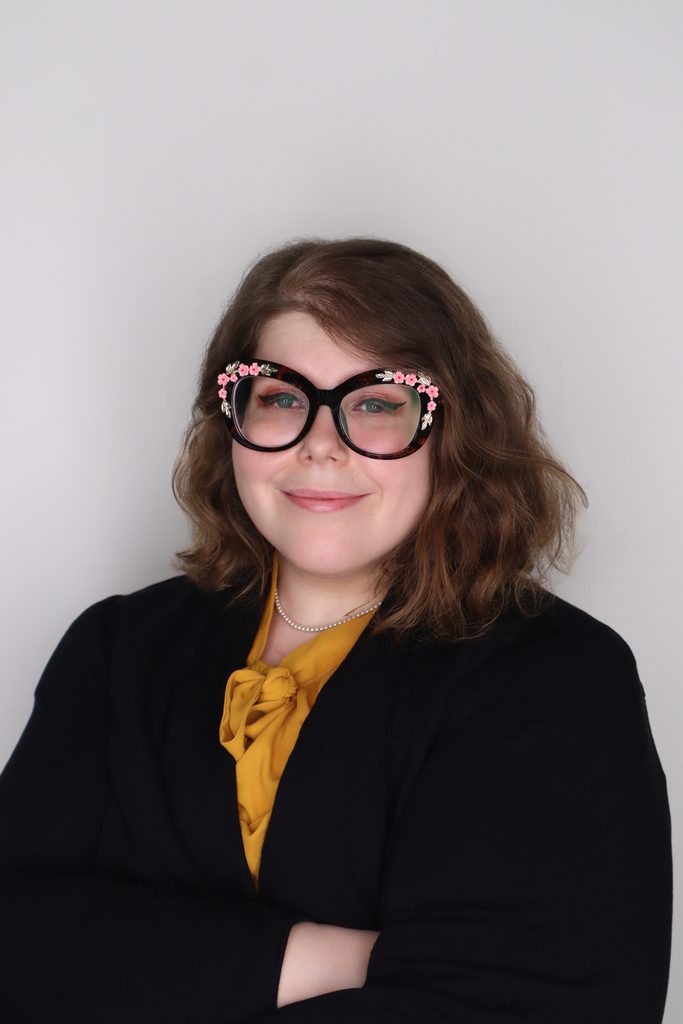
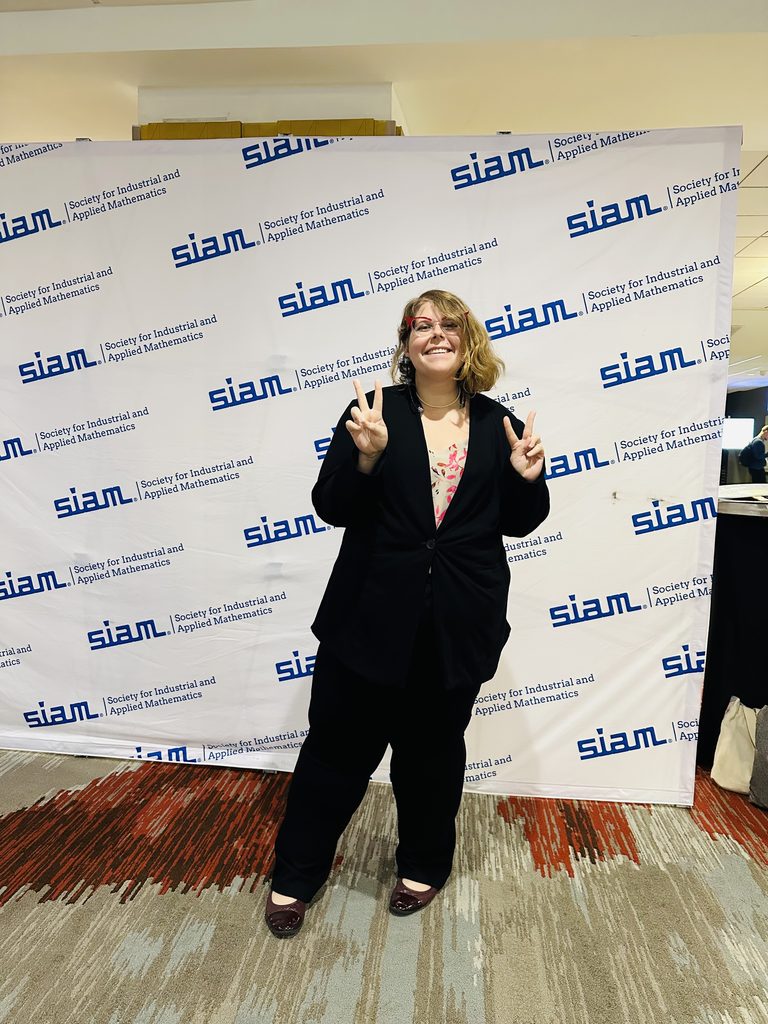
For Dr. Kristen stepping into this environment as a student became a defining milestone. Today, she is an accomplished applied mathematician working at the cutting edge of machine learning, robotics, and advanced manufacturing. As a Postdoctoral Research Fellow at the UTRGV Institute for Advanced Manufacturing, her current research focuses on advancing materials discovery for fusion energy, leveraging additive manufacturing, robotics, and autonomous experimentation to navigate complex design spaces. But before she was driving autonomous experimentation and accelerating research, Dr. Kristen was a participant in the BE program, placed into a Guided Affinity Group (GAG) designed to provide close-knit mentoring and psychosocial support. Led by an experienced computational scientist, these small learning groups meet each morning before conference sessions begin to equip students with the tools they need to navigate the field. For Kristen, this environment transformed an intimidating professional landscape into a welcoming home where she could ask questions, build relationships, and safely dive into the rich scientific program.
The true magic of Dr. Kristen’s experience unfolded through the quiet, personal mentorship she received within her affinity group. Her leader’s commitment to welcoming the next generation and validating their presence allowed Dr. Kristen fully envision herself as a successful member of the field. This relationship left a permanent mark on both the student and the mentor. At the conclusion of the program, Dr. Kristen handed her GAG leader a small gift and a handwritten thank-you card. Years later, her mentor still cherishes and keeps that card as a tangible reminder of why community building matters. Today, the two remain closely connected on LinkedIn, where her mentor regularly watches Dr. Kristen shine, steadily growing in confidence and making major waves in the computational science world.
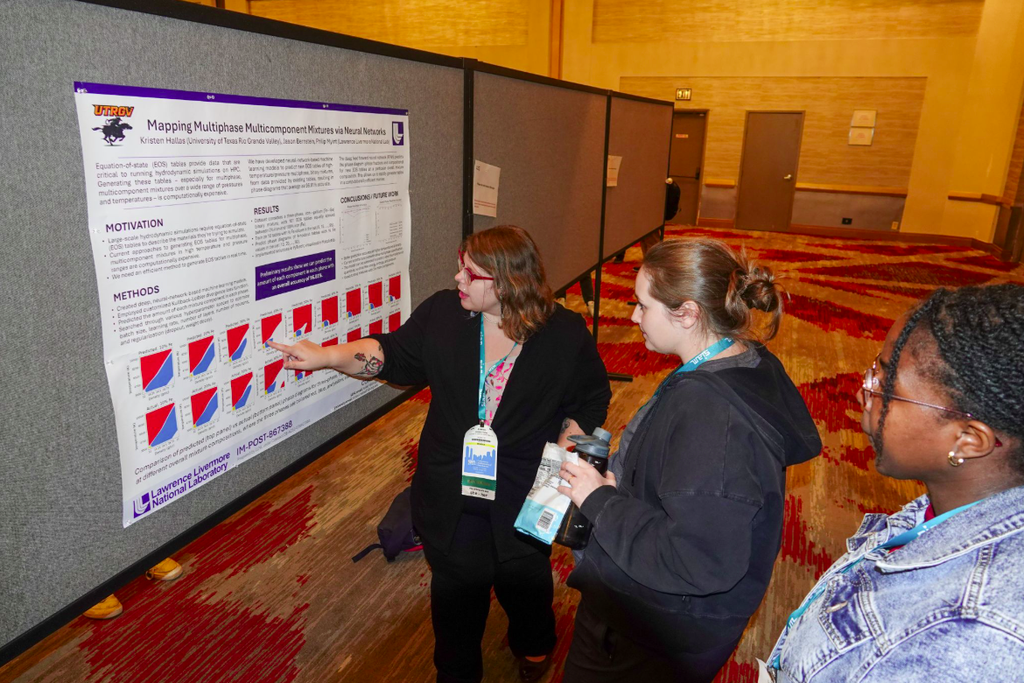
Dr. Kristen’s breakthrough from a hesitant student attendee to a leading postdoctoral researcher is a testament to the broader success of the BE program, which has welcomed over 350 participants since 2015. By providing travel grants, full access to interdisciplinary technical sessions, and opportunities to practice and present research, the program systematically dismantles the barriers that keep underfunded students on the sidelines. It creates a powerful, supportive network that extends far beyond the final day of a single conference.
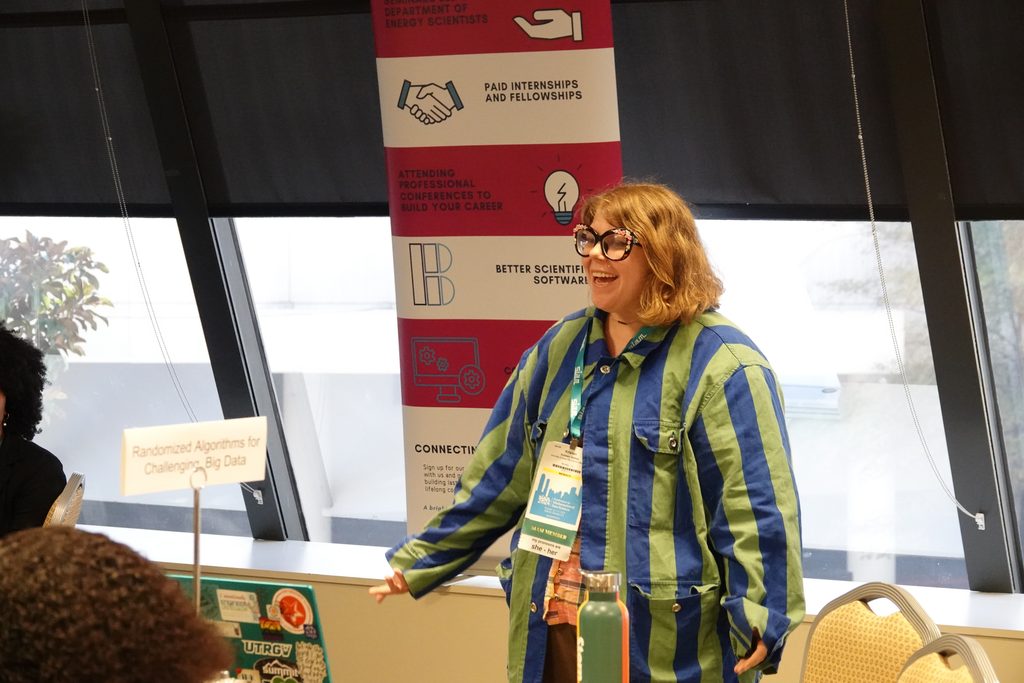
For students who might feel hesitant or uncertain about attending a future BE program for the very first time, Dr. Kristen’s trajectory serves as a perfect roadmap. The advice from the program’s leadership is to always attend with an open mind and embrace every opportunity to connect. It is completely natural to feel out of place at first, but the entire ecosystem is built from the ground up to ensure newcomers feel supported. By introducing themselves and participating in dialogues, students allow the community to genuinely get to know them. Ultimately, Dr. Kristen’s story proves a vital truth for all aspiring scientists: “You are not simply a temporary visitor in this field; you are an essential part of its future.”