Abstract
Many research software engineers’ first introduction to the field involves inheriting code that has a long priory history. The process of updating that code often involves software archaeology: digging through what feels like ancient layers of code developed over decades. Often, the goal of software archaeology is modernization. The driver is often a need to port to a new platform or to improve performance though parallelization or various optimizations. Many tools and practices can support the maintenance or modernization processes, including testing, documentation, and performance analysis. This group is for all those who have established inherited codes and are interested in any of the tools and practices that can help with research software engineering work that involves legacy codes.
Group Leader
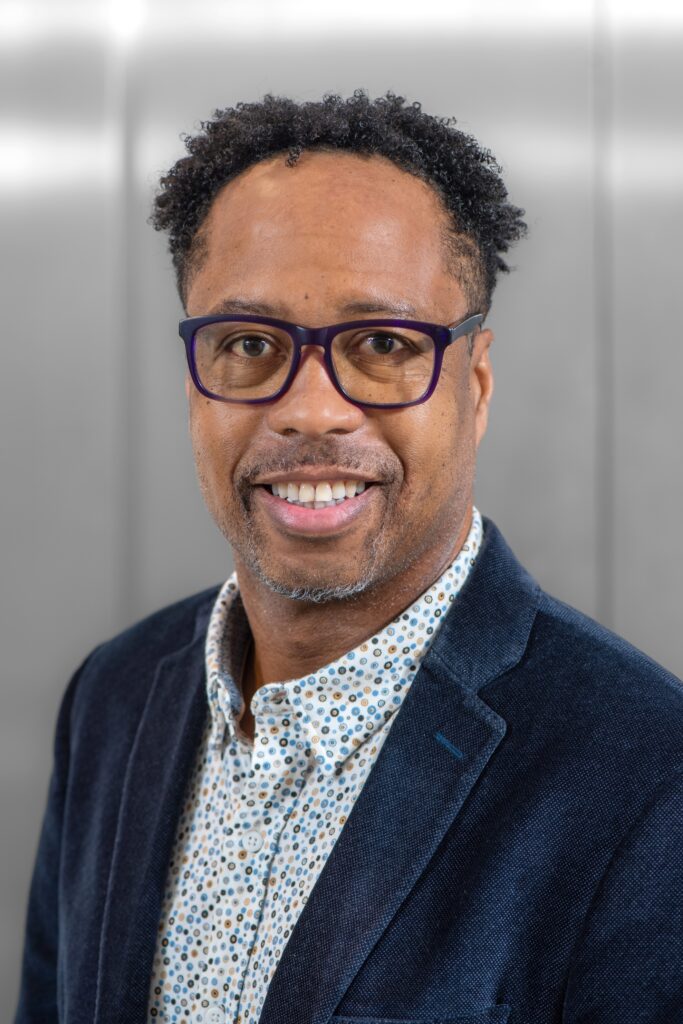
Damian Rouson
Biography
Damian Rouson is a Senior Scientist and the Group Lead for the Computer Languages and Systems Software (CLaSS) Group at Berkeley Lab. He also holds an Adjunct Faculty position at San Diego State University. He founded Archaeologic Inc. and Sourcery Institute. He holds a B.S. from Howard University and a M.S. and Ph.D. from Stanford University, all in mechanical engineering. He is also a licensed Professional Engineer (P.E.) in the State of California. His work spans research and research software engineering across a range of computational sciences. He servers on the Fortran programming language standard committee and published the book Scientific Software Design: The Object-Oriented Way (Cambridge University Press, 2011).
Motivation
My experiences at other conferences has taught me that building engagement workshops have a tremendous impact on the attendees — helping to launch and guide careers and expanding the reach of the conference to embrace new community members.