
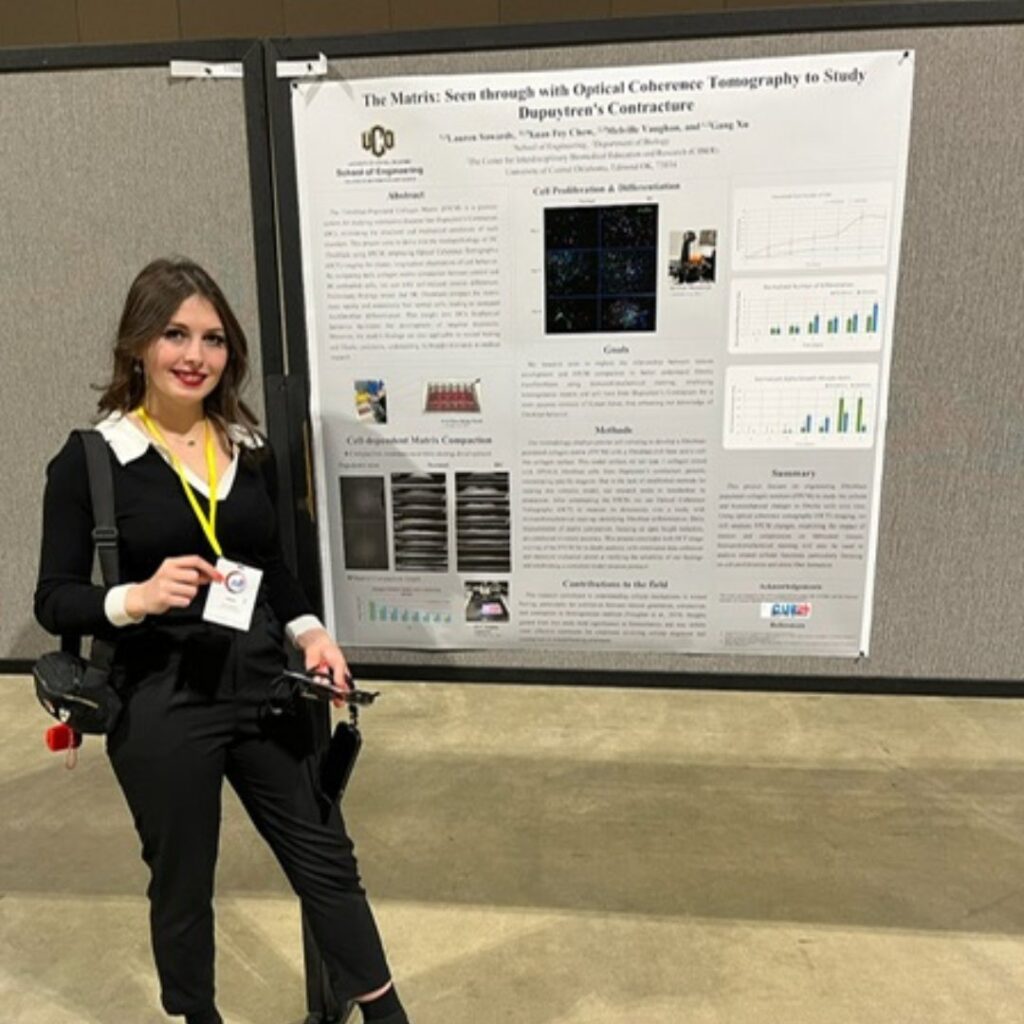
What was the most impactful part of the BE program for you, and how did it influence your perspective on your studies or career goals?
The most impactful part of the BE program was the hands-on workshops that integrated real-world computational science problems with cutting-edge research techniques. Being able to apply theoretical knowledge to practical challenges not only deepened my understanding but also solidified my passion for this field. It shifted my perspective from seeing my studies as purely academic to viewing them as foundational skills for solving tangible problems. This experience reinforced my desire to pursue a career in computational research, with a focus on leveraging data-driven approaches to innovate solutions.
Can you share a memorable moment from the conference—perhaps a session, discussion, or connection with a mentor—that stood out to you?
One of the most memorable moments was during a panel discussion on emerging technologies in computational science. I had the opportunity to connect with a mentor who specialized in machine learning applications for biomedical research. Their insights on translating complex data into actionable outcomes were both inspiring and eye-opening. That conversation not only broadened my understanding of how computational science can drive innovation in various industries but also encouraged me to explore interdisciplinary research opportunities.
How did participating in the BE program affect your confidence, skills, or sense of community within the computational science field?
Participating in the BE program significantly boosted my confidence, particularly in presenting my ideas and collaborating with peers from diverse backgrounds. The collaborative environment helped me develop essential communication and teamwork skills, which are crucial in the computational science field. Additionally, the sense of community was incredibly supportive. Connecting with like-minded individuals who share a passion for computational research fostered a strong network, making me feel more integrated and motivated to contribute to the field.
What advice would you give to future BE participants, especially those who are hesitant to attend or are attending for the first time?
My advice to future participants is to embrace every opportunity the program offers, even if it feels outside your comfort zone. Engage actively in sessions, ask questions, and network with both peers and mentors. The BE program is a safe space to explore, learn, and grow—so don’t be afraid to make mistakes or share your ideas. For those who are hesitant, remember that everyone starts somewhere, and attending the program could be the catalyst that propels your academic and professional journey forward.
What other SHI project are you interested in, or have you attended any other programs before?
I’m particularly interested in the SHI Data Science Initiative, as it aligns closely with my passion for leveraging data analytics to address complex scientific challenges. The focus on collaborative research and data-driven problem-solving in diverse fields like health, climate change, and computational biology is something I find incredibly exciting.
Regarding past experiences, I had the opportunity to participate in the SHI Summer Research Program. This experience was transformative, providing me with hands-on exposure to interdisciplinary research and allowing me to connect with a network of like-minded peers and mentors. It was through that program that I realized the value of community support in the computational science field, which encouraged me to continue exploring other SHI initiatives.