
Celeste Matarazzo understands the importance of engaging with and encouraging students. When she was a young woman studying computer science, she benefitted from impactful mentors, internships, and work experience. A former principal investigator and cybersecurity researcher in cybersecurity situational awareness at Lawrence Livermore National Laboratory (LLNL), she has devoted much of her free time and career to giving back.
“During my career at Lawrence Levermore, I spent a lot of time with students,” says Ms. Matarazzo. “It’s one of the things that brings me the most joy.”
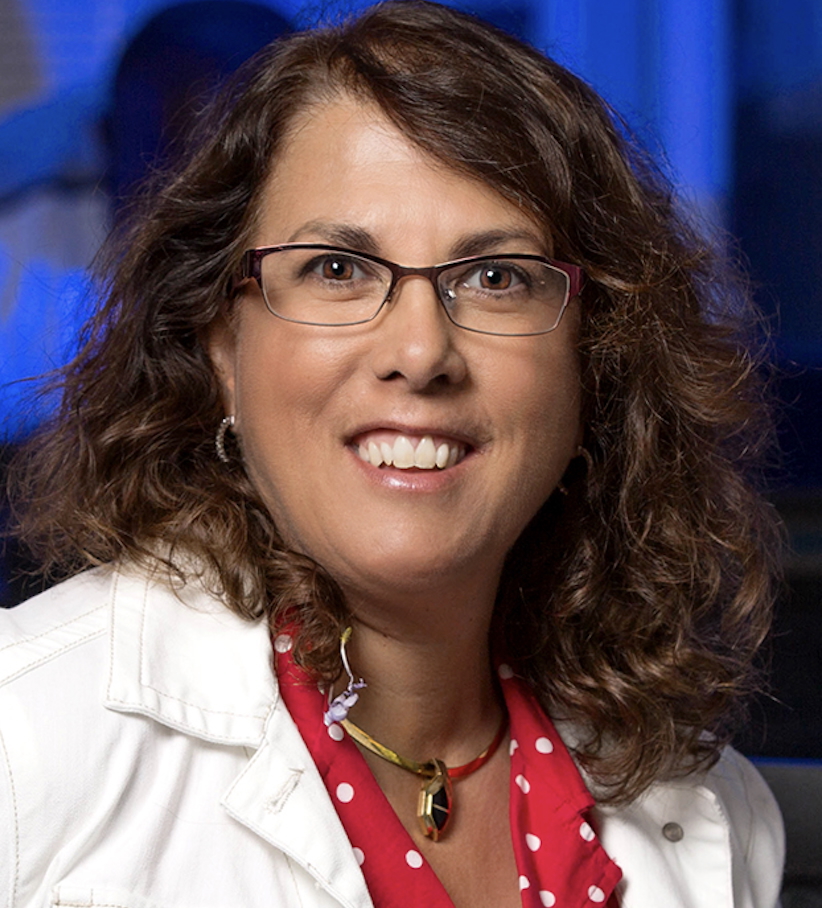
In addition to mentoring and working with students, Matarazzo ran a student internship program at LLNL for 10 years and offered many seminars for student researchers. However, it was the Computational Research Leadership Council (CRLC) Seminar Series that allowed her to focus on her information and her connection with the students from universities she would not normally engage with, such as the University of Alaska Anchorage.
“CRLC is well organized and they make it easy for me to get my information out to a much broader audience,” says Matarazzo. “It really is a win-win.”
Over the years, Matarazzo has developed and presented two CRLC seminars. In one on “Cybersecurity Research: A Data Science Perspective,” she provides an overview and discusses recent trends facing computer security researchers and practitioners. The second seminar is more interactive with Matarazzo offering tips on how to build an effective technical poster. Moreover, as part of her seminars, she always includes information about how to apply for internships and fellowships at the national labs.
Now retired, Matarazzo continues to work at LLNL as a visiting scientist and continues to offer her expertise through the CRLC Seminars. That said, she is actively recruiting other scientists to pass the torch.
“Students are interested in knowing what it really looks like to be a professional computer scientist and a scientist in a national lab,” says Matarazzo. “I want students to be aware that there are national labs that might be close to them geographically and that offer so many opportunities.”