
The Benefits of Continuous Engagement
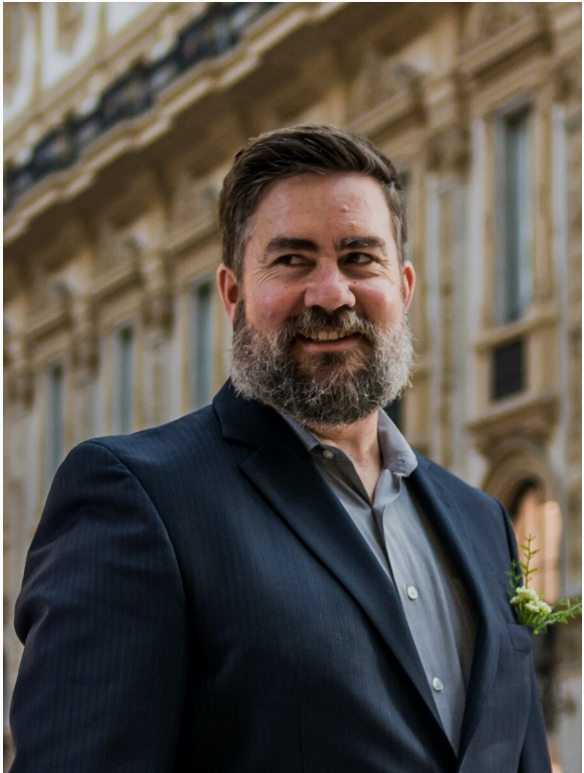
“Immediate,” “consistent,” and “continuing” describe the positive impacts the Trusted CI Fellows program have had on Dr. Rick Wagner while he worked as a Principal Research Systems Integration Engineer at the University of California, San Diego (UCSD). Dr. Wagner helps design and build cyberinfrastructure solutions for highly complex research projects, and the Trusted CI Fellowship has helped him, his team, and research teams across the campus and beyond maintain critical security.
“While I was a Fellow, I was serving as the security officer for a multi-institution project funded by the National Institutes of Health (NIH), and I immediately introduced the Trusted CI Framework to the project,” says Dr. Wagner. “I needed a way to think about security. At the engineering level or individual contributor level, there is a focus on the control set—the individual things that you have to track and check off—but one has to also consider risk management. The Framework gave me the ability to communicate what we were trying to do and implement it, while ensuring everyone was satisfied and reducing risks for the project.”
Since his fellowship, Dr. Wagner has maintained a presence in the Trusted CI Fellow community, including working on the planning committee for the 2025 NSF Cybersecurity Summit and as a panel moderator with each new cohort of Fellows. The Trusted CI Fellow network has also solidified relationships with researchers at the National Labs, including Berkeley Lab and Argonne National Laboratory.
“I am much more confident speaking about the challenges different institutions are facing in terms of security compliance because of this effort,” says Dr. Wagner. “Even if you’re not the one doing the work, being able to have the conversation with the security and IT teams implementing something and understanding how to bridge research and security needs have been really incredibly valuable.”
He notes that his Trusted CI experience continues to benefit him in his role as the Chief Technology Officer of the San Diego Supercomputer Center at UCSD and in helping address the upcoming compliance needs for the campus High-Performance Computing Cluster because of changes to NIH requirements.
He says, “Learning how to think about the open source supply chain management challenges that are coming and hitting projects like Project Jupiter and talking to individual research groups to increase their understanding of what, where, and when they need to be concerned about cybersecurity have helped everyone on campus reduce their own operational burden, period.”