
Informing Therapists, Protecting the Vulnerable
As a social psychologist, Tonya Davis, Assistant Professor in the Department of Psychology and Counseling at Alabama A&M University, often thinks about private decision-making and the many motivations for people to commit cyber crimes. However, before becoming a Trusted CI Fellow, she did not necessarily consider the various ways these crimes could be prevented, even in the mental health field. However, the Trusted CI Fellows Program not only informed her thinking about security in the field of counseling, but it also expanded her own research and offered her new opportunities for collaborations.
Professor Davis now teaches her graduate counseling students, particularly those engaging with geriatric populations, about cybersecurity in the context of telemental health counseling and therapy. “We tell our students now, ‘Before you’re doing telehealth therapy with someone, be mindful about your phone or computer, make sure that you see their background, make sure they turn their cameras on,’” Professor Davis says. “It is about heightening our awareness for our security and our clients’ because we’re about helping people.” As the Psychology and Counseling Department Chairperson, Professor Davis has also facilitated additional short trainings and the purchase of software to raise awareness on cybersecurity risk further.
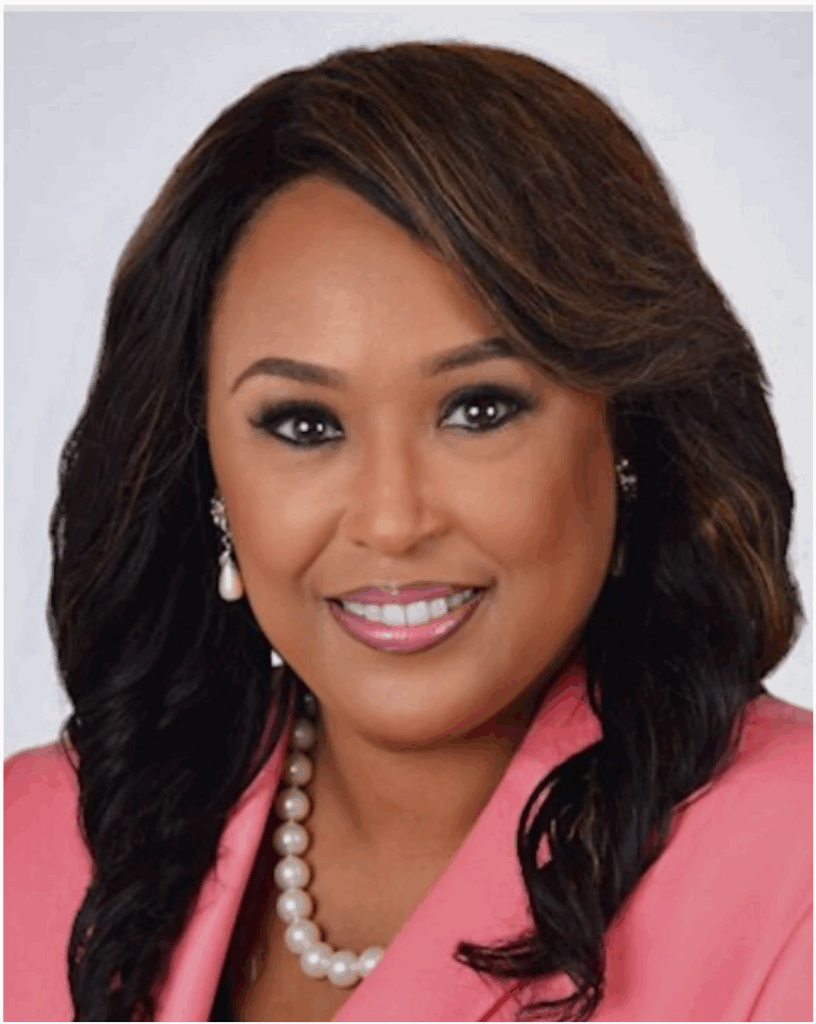
Professor Davis is also considering new work and future research with colleagues in different departments focusing on social engineering. Moreover, through the Trusted CI Fellow network, Professor Davis has connected with another researcher who is interested in social engineering, a criminal justice expert at a different university. She has discussed potential collaborations with faculty in the criminal justice and computer science departments at Alabama A&M University on topics of mutual interest.
“The fellowship made me think about systems and how people make decisions that they make. How can someone drain a person’s savings? What is their level of moral reasoning and can we use empathy training to interrupt that?” says Professor Davis. “This fellowship made me think in a more tech-minded manner. I am thinking about these research questions and about designing software applications. That wouldn’t have happened without this fellowship.”